


What Happened During the Real Stanford Prison Experiment? What to Know About the Controversial Study
What Happened During the Real Stanford Prison Experiment? What to Know About the Controversial Study

Jessica SagerWed, October 21, 2026 at 11:00 AM UTC
0
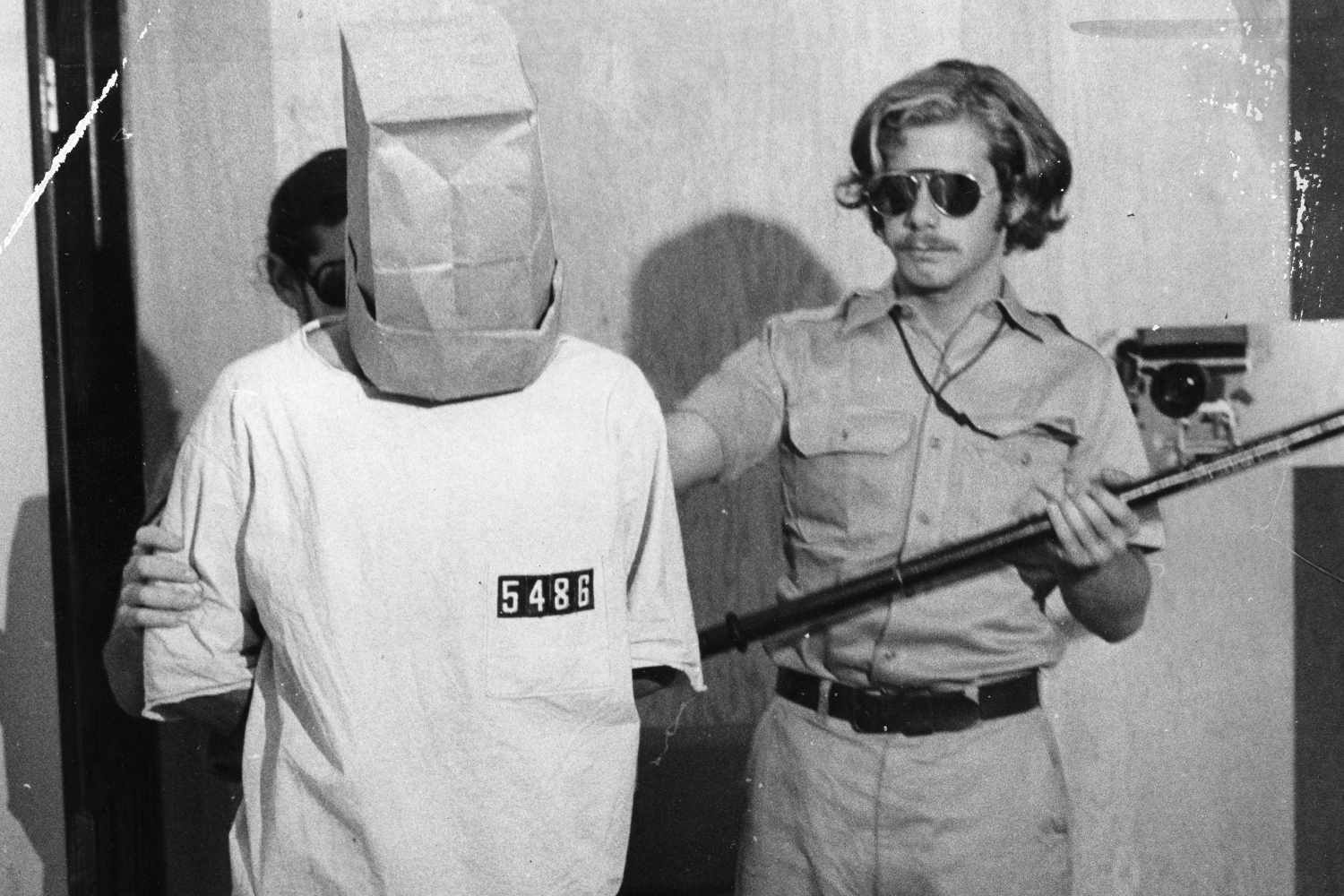
The Stanford Prison ExperimentCredit: Duke Downey/San Francisco Chronicle via Getty -
The Stanford Prison Experiment took place in August 1971 over six days and ended when the “guards” severely mistreated the “prisoners”
College students who participated in the study went on to speak about their experiences
The reality series The New Stanford Prison Experiment, inspired by the controversial research, premiered on Oct. 21 on Netflix
The Stanford Prison Experiment left a lasting impact on psychology, challenging the understanding of human behavior and the powerful influence of social roles and authority.
In August 1971, Stanford psychology professor Philip G. Zimbardo conducted the research with 24 students who responded to an ad in a local newspaper. After screening candidates, the volunteers were randomly chosen to either be “guards” or “prisoners” and were expected to each be in their respective roles for one to two weeks.
However, after just six days, the university shut the experiment down after the volunteers posing as guards became abusive and dehumanizing to their prisoner volunteers. In Zimbardo’s words, the experiment showed how “ordinary college students could do terrible things.”
Since then, the controversial test has been the subject of documentaries, movies — like the 2015 film The Stanford Prison Experiment — and now, a new reality series, The New Stanford Prison Experiment, which premiered on Oct. 21. “Despite its serious ethical flaws, it asked a fundamental question that feels even more relevant today: how does power affect ethical choices?” co-executive producer Jane Lipsitz said in a statement.
So, what happened during the 1971 Stanford Prison Experiment? Here’s everything to know about the study and how it abruptly ended.
It was developed in response to the 1961 Milgram experiment
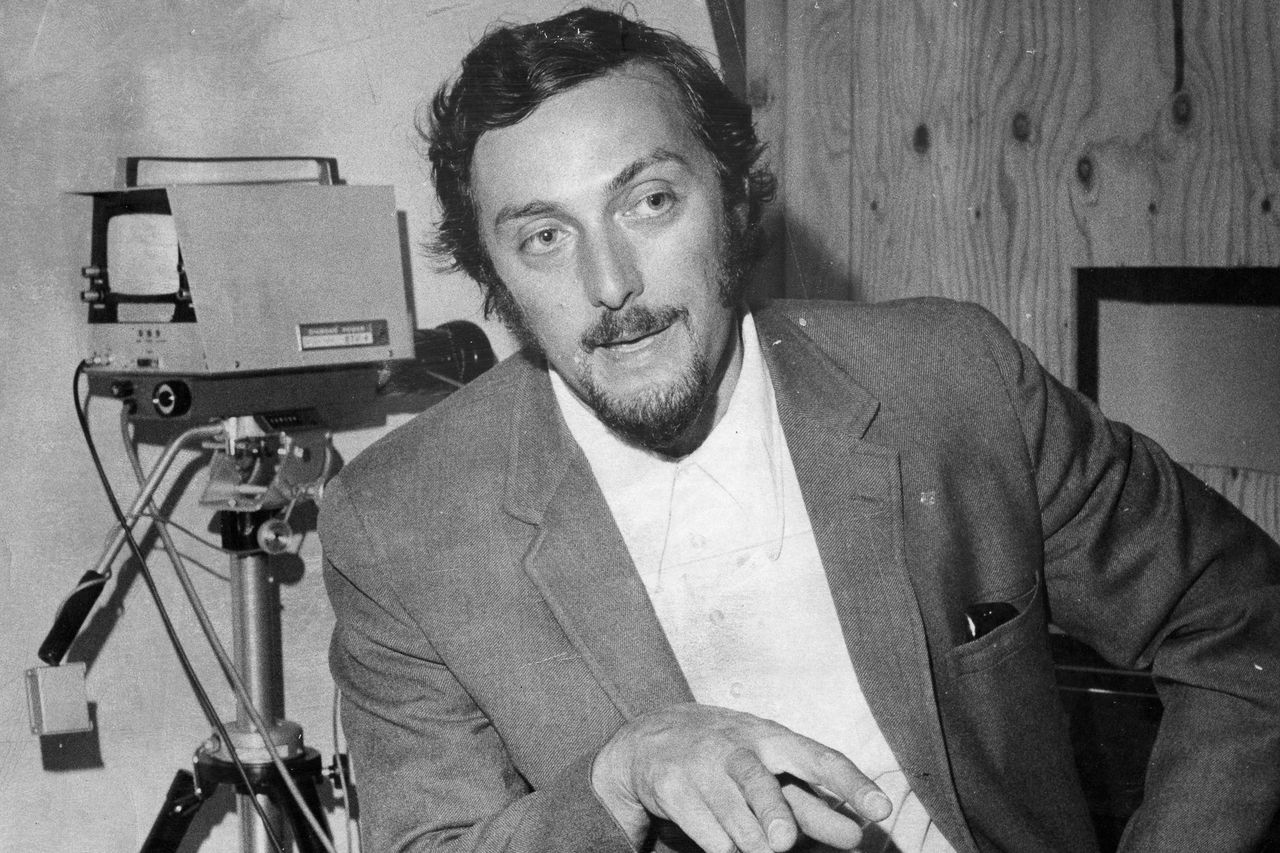
Dr. Philip Zimbardo on August 20, 1971Credit: Duke Downey/San Francisco Chronicle via Getty
Zimbardo told Stanford Magazine that when he conceived and first began the Stanford Prison Experiment, he was most interested in the “powerlessness” of the volunteer prisoners and was “not really interested in the guards.”
However, in a 2009 interview (via The Week), Zimbardo said that the Stanford Prison Experiment was a sequel of sorts to the famous 1961 Milgram experiment, in which authority figures instructed volunteers to give what they thought were electric shocks to victims in another room.
The volunteers could hear the “victims” screaming in pain, not knowing the victims were actually actors and that they were not really being harmed.
Zimbardo explained, “Whereas [Stanley] Milgram’s research was all about the power of individual authority over an individual person, the Stanford Prison Experiment was all about the ability for a system to repeatedly create situations that strongly influence behavior.”
According to CBS News, a coin flip determined which volunteers were guards and which were prisoners, and each group reportedly believed that the study would focus on the other group.
Real police officers were involved in the Stanford Prison Experiment’s creation
CBS News reported that the Stanford Prison Experiment utilized actual local Palo Alto, Calif., police officers in the study.
The officers arrested each volunteer “prisoner” at their homes for armed robbery. In each arrest, police frisked, read Miranda rights to, cuffed and transported volunteers to the Palo Alto police station.
Once there, officers fingerprinted the volunteers, read them their fictional criminal charges, blindfolded them and put them in holding cells before transporting them to the campus “prison.”
While police officers collected volunteer prisoners, Zimbardo and his crew, aided by ex-cons as consultants, made their “prison” in Stanford University’s Jordan Hall as realistic as possible, nailing bars around cells and setting up a closet as a solitary confinement unit.
There were also hidden cameras and audio bugs installed, allowing researchers to observe and hear all activity at any given point.
Participants alleged that Zimbardo encouraged guards to “torment” prisoners
According to footage from the experiment (via Time), Zimbardo told guards during a training session before prisoners arrived, “You can create in the prisoners feelings of boredom, a sense of fear to some degree, you can create a notion of arbitrariness that their life is totally controlled by us, by the system, you, me … They can do nothing, say nothing, that we don’t permit.”
A guard named John Mark later alleged that one of Zimbardo’s graduate students urged him to be “tougher” on inmates, and Psychology Today reported that guards were harsher on inmates during evening shifts. Guards called inmates by their booking numbers, not their names, and insulted them.
Another guard, Dave Eshleman said he created a character to play as a guard, per Time. His “character,” who was nicknamed John Wayne, kept escalating his abuse of prisoners and that no one stepped in to stop him at any point.
Prisoner Richard Yacco recalled to Stanford Magazine that Zimbardo and the guards deliberately sleep-deprived prisoners — which Mark corroborated — and didn’t allow them to shower.
One student who was assigned to be a guard, Kent Cotter, told Time he quit the experiment before it began after hearing plans for guards to abuse the prisoners.
Advertisement
While some prisoners tolerated the guards’ abuses, others rebelled, including Clay Ramsay, who Newsweek reports went on a hunger strike.
There was a “parole board” that dismissed five prisoners early
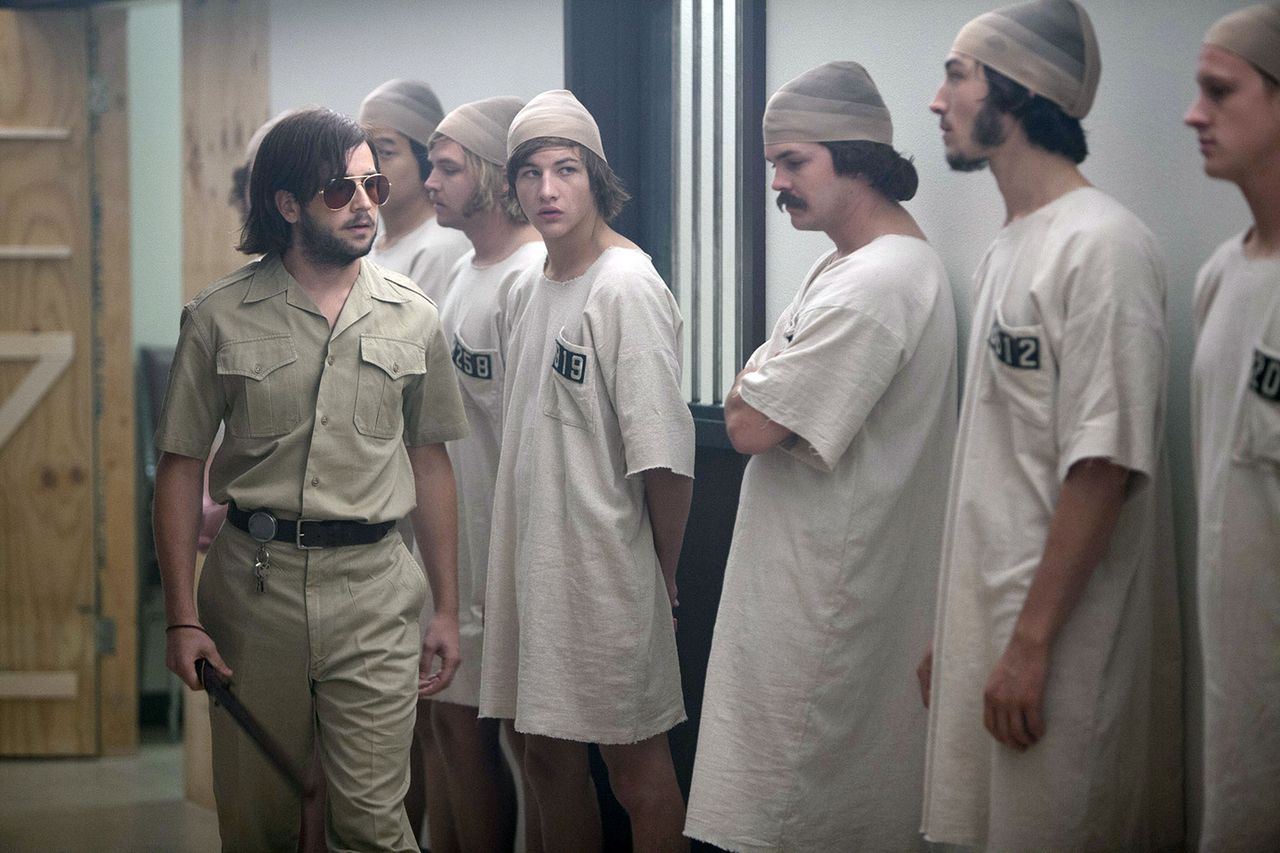
‘The Stanford Prison Experiment’ movie (2015)Credit: Steve Dietls/Coup D'Etat/Sandbar/Abandon/Ifc/Kobal/Shutterstock
The Stanford Prison Experiment included a mock “parole board” that would dismiss some prisoners early. The board consisted of graduate students and staff from the Stanford psychology department, who would release prisoners if they were concerned about their mental health or safety.
Zimbardo told CBS News prisoners were instructed that they could leave whenever they wanted, but that their “sense of reality” shifted from the experiment.
Verywell Mind reported that a total of five students were “paroled” and left early due to acute anxiety, depression and other factors.
Yacco told Stanford Magazine that he was repeatedly instructed that he could not quit because he agreed to be there for the entirety of the experiment, but that the parole board offered to let him leave one day before the experiment ended because they feared he’d have a mental breakdown.
Yacco said that he didn’t think he was at risk of a mental health crisis, however, and that he didn’t feel depressed, though he said that when his parents visited, they were concerned about his appearance.
Zimbardo’s girlfriend convinced him to stop the experiment
Christina Maslach, a graduate student who had recently received her Ph.D. and was dating Zimbardo at the time, urged him to end the experiment after six days. It happened after she watched the guards’ treatment of prisoners during their 10 p.m. toilet run.
“The prisoners come out, and the guards put bags over their heads, chain their feet together and make them put their hands on each other’s shoulders, like a chain gang,” Zimbardo told Stanford Magazine. “They’re yelling and cursing at them. Christina starts tearing up. She said, ‘I can’t look at this.’ ”
“‘It’s terrible what you’re doing to these boys. How can you see what I saw and not care about the suffering?’ ” he recalled Maslach telling him.
Zimbardo said that he initially disagreed with Maslach, but soon realized the prisoners really were suffering and agreed to conclude the experiment early.
Maslach said that if the study continued, she may have stopped loving and respecting Zimbardo. They later married.
It led one of the researchers to advocate for prison reform
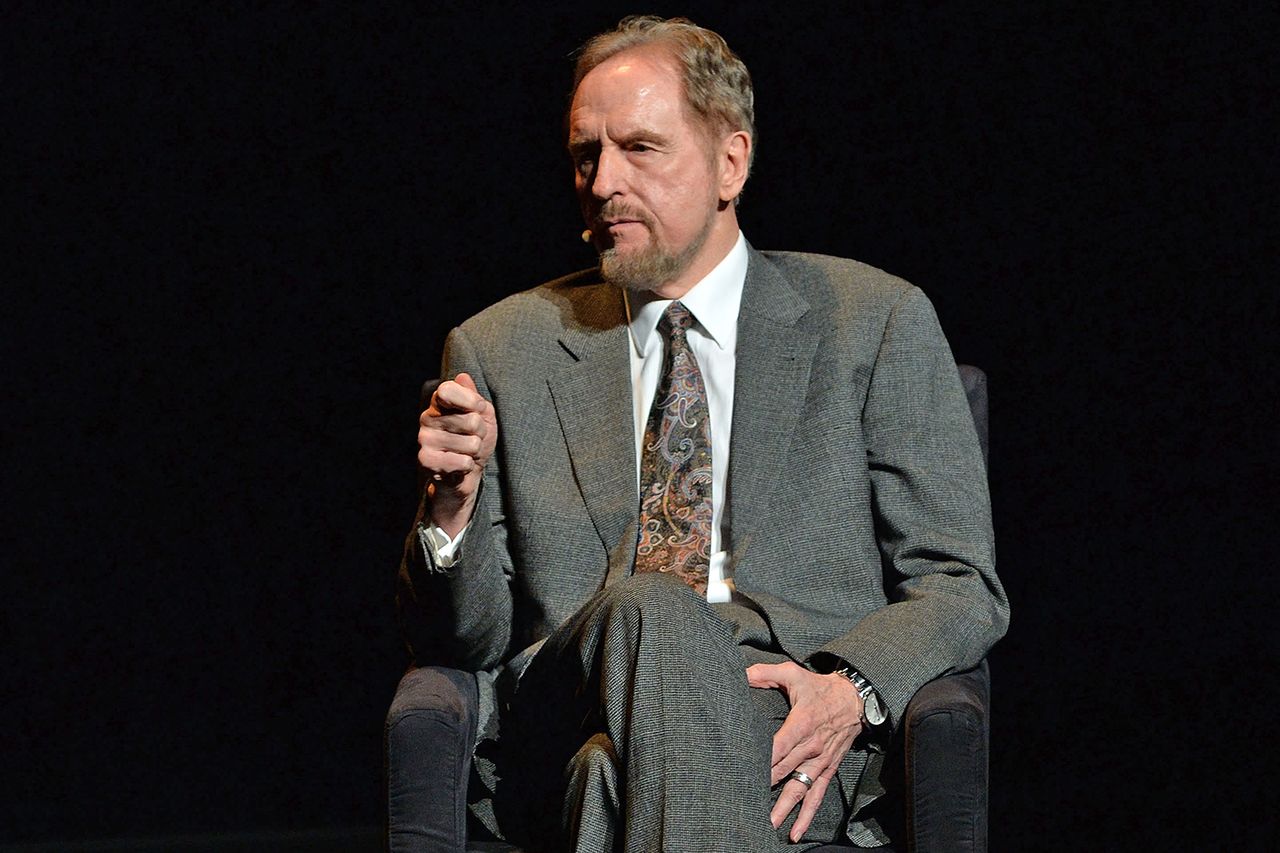
Dr. Craig Haney on January 29, 2016 in New York CityCredit: Slaven Vlasic/Getty
Craig Haney, one of the graduate researchers in the Stanford Prison Experiment, said the experience led him to become an advocate for prison reform, especially for solitary confinement situations.
“Real prisoners learn how to mask their pain and act like it doesn’t matter. The prison study showed what it feels like for people who have not learned how to wear that implacable mask,” he told Stanford Magazine.
Haney continued, “I try to talk to prisoners about what their lives are really like, and I don’t think I would have come to that kind of empathy had I not seen what I saw at Stanford.”
The experiment is now considered unethical and potentially a hoax
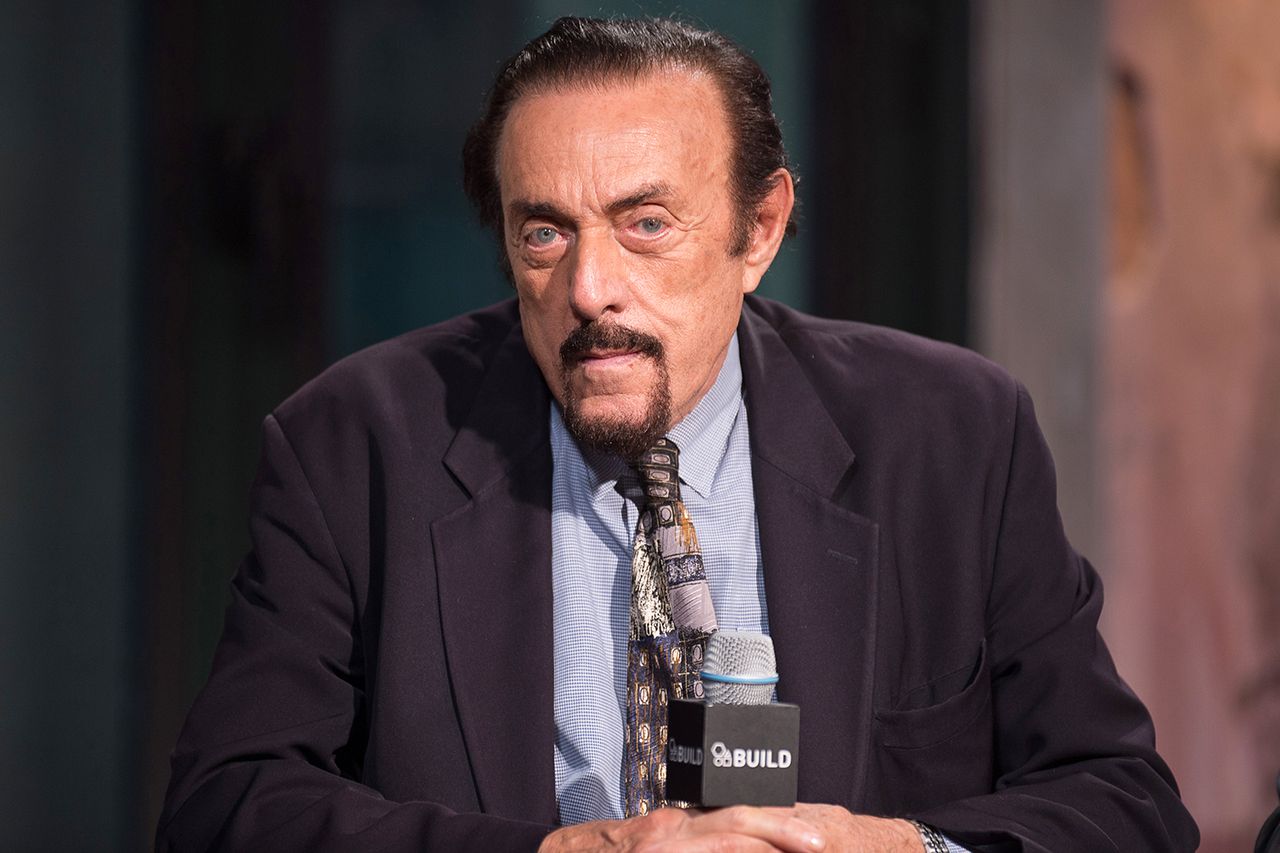
Dr. Philip Zimbardo on July 14, 2015 in New York CityCredit: Dave Kotinsky/Getty
While infamous, the Stanford Prison Experiment has been debunked and deemed unethical by professionals in the field in the decades since it was first conducted.
According to a widely-cited critique, the Stanford Prison Experiment failed to adhere to modern ethical standards because researchers never got fully informed consent from participants and didn’t have enough debriefings and because of the dehumanization and abuse the participants suffered.
In terms of questions of the experiment’s veracity overall, criticisms included the small sample size and the homogenous demographics of participants (predominantly White, middle class young men).
Still, Zimbardo defended the experiment’s central findings until his death in 2024, and Haney said the lessons he learned as part of the research team were very real.
He told Stanford Magazine, “If someone had said that in six days you can take 10 healthy college kids, in good health and at the peak of resilience, and break them down by subjecting them to things that are commonplace and relatively mild by the standards of real prisons — I’m not sure I would have believed it, if I hadn’t seen it happen.”
on People
Source: “AOL Entertainment”
