


Booking a Flight Could Soon Get More Confusing—and One Airline Warns a Proposed Change Could Be ‘Extremely Disruptive’
Booking a Flight Could Soon Get More Confusing—and One Airline Warns a Proposed Change Could Be ‘Extremely Disruptive’

Scott LairdMon, August 24, 2026 at 3:02 PM UTC
0
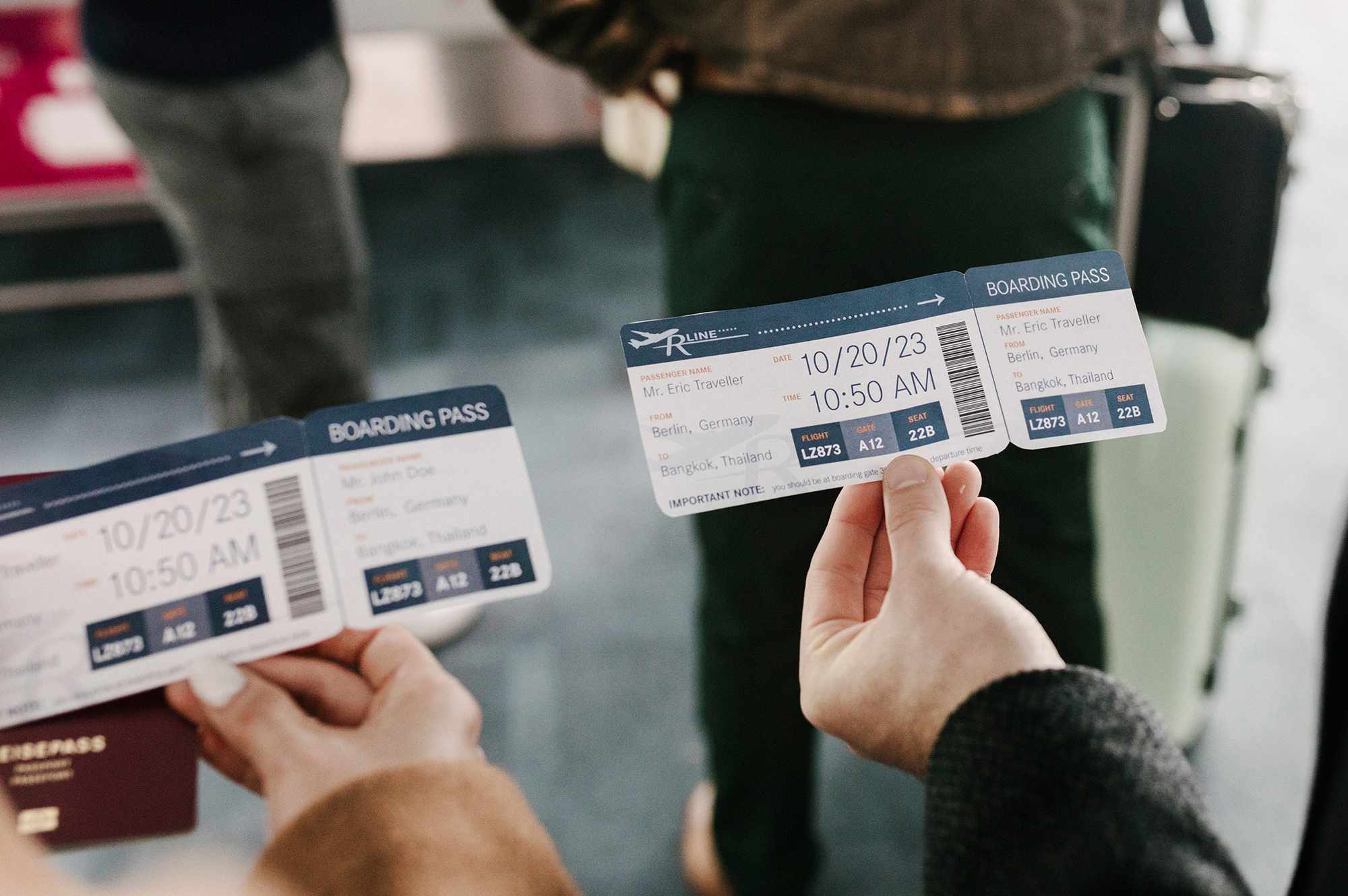
Two people holding their boarding passes.Credit: Hinterhaus Productions/Getty Images
Airlines are required by federal law to display the full airfare price on the first display of search results, including all taxes and fees. But that rule could soon change.
The rule has been in place since the Department of Transportation (DOT) implemented it in 2012. However, the DOT requested comment on a proposal last month that would loosen requirements on how airlines display fares.
The current rule prohibits airlines from displaying the components of a fare, like government taxes and fees at the same time or at the same size as the total fare itself. With the new proposal, the DOT’s view was that the law is “unnecessarily prescriptive” and places unnecessary burdens on airlines in regard to how they promote their products—restrictions which the DOT pointed out only apply to airlines, and not to other transportation types that would compete with airlines for passengers.
The DOT noted in the proposal “as an alternative, the Department is considering repealing the Full Fare Rule in whole.”
Airlines 4 America, the trade group representing U.S. airlines, requested more time for its member carriers to evaluate the proposed changes and offer comment. Southwest Airlines also requested more time, supporting narrow rule changes on font size and price display prominence, but opposing the proposed rescission of the entire rule.
Advertisement
Southwest noted that while it opposed the original rule in 2011, “an entire generation of consumers have shopped and purchased air travel under this system, and we believe a change could be extremely disruptive. Fourteen years have elapsed since the Rule went into effect and consumers have settled expectations that all government-imposed taxes and fees will be included in the fare in the first display.”
Without full fare advertising, consumers would have less detail about what drives price differences between flights. Some taxes and fees are charged on a per-flight basis; without the rule, an airline operating a flight nonstop and an airline only offering connecting flights could both advertise the same fare up front, but the connecting flight option would ultimately be more expensive because of the additional taxes. Airfare shoppers wouldn’t find that out until they clicked all the way through to the purchase page for both fares. The new rule may also make it harder to use sites like Expedia for comparison shopping, the Los Angeles Times reported.
In addition to taxes, airlines can also collect fees as part of the ticket price that are unrelated to additional services, like seat assignments or checked bags. These are called “carrier-imposed surcharges” and the most common is fuel surcharges, which helped spur many of the complaints to the DOT prior to the 2012 Full Fare Advertising rule. When fuel prices spiked in 2008, many airlines added hefty fuel surcharges to their fares that weren’t displayed until the final step in the process, making comparison shopping difficult, Business Travel News reported at the time.
After the rule was implemented, the surcharges stuck around, but were instead displayed as part of the fare, instead of a last-minute add-on.
on Travel & Leisure
Source: “AOL Money”
