


15 Music Facts That Sound Fake But Aren’t
15 Music Facts That Sound Fake But Aren’t

Mariano MontagnaMon, August 24, 2026 at 10:30 AM UTC
0
SIMPLY2Graphic/via youtube.com
Music history is packed with stories so bizarre they sound more like urban legends than actual events. From musicians recording songs in unusual places to hit records created by accident, the industry has produced plenty of moments that prove truth can be stranger than fiction.
Behind some of the world’s most famous songs and artists are surprising coincidences, controversies, and record-breaking achievements. Here are 15 wild music facts that sound completely made up but are not.
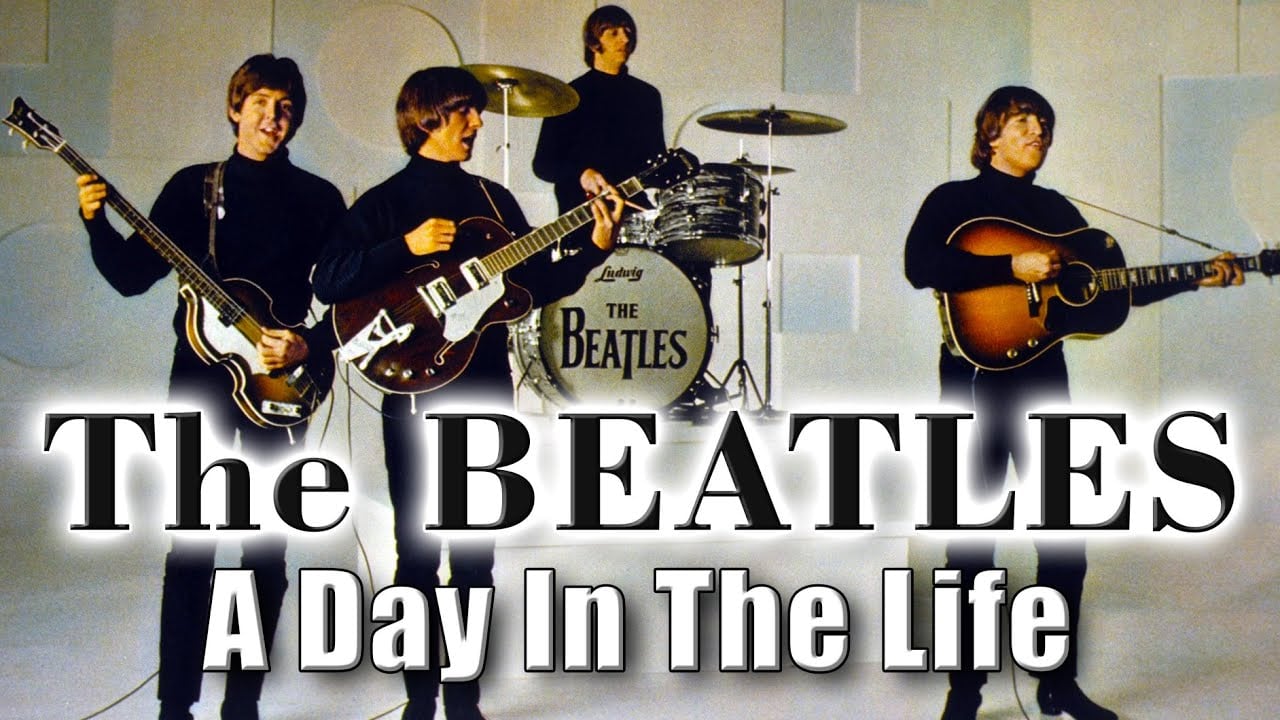
1. The Beatles Used a Giant Chord to End the “A Day in the Life” song
The dramatic final chord of the Beatles’ “A Day in the Life” wasn’t created with just one instrument. John Lennon, Paul McCartney, Ringo Starr, and Mal Evans played the same E-major chord on multiple pianos at the same time. The recording was then layered, creating one of the most recognizable endings in rock history.
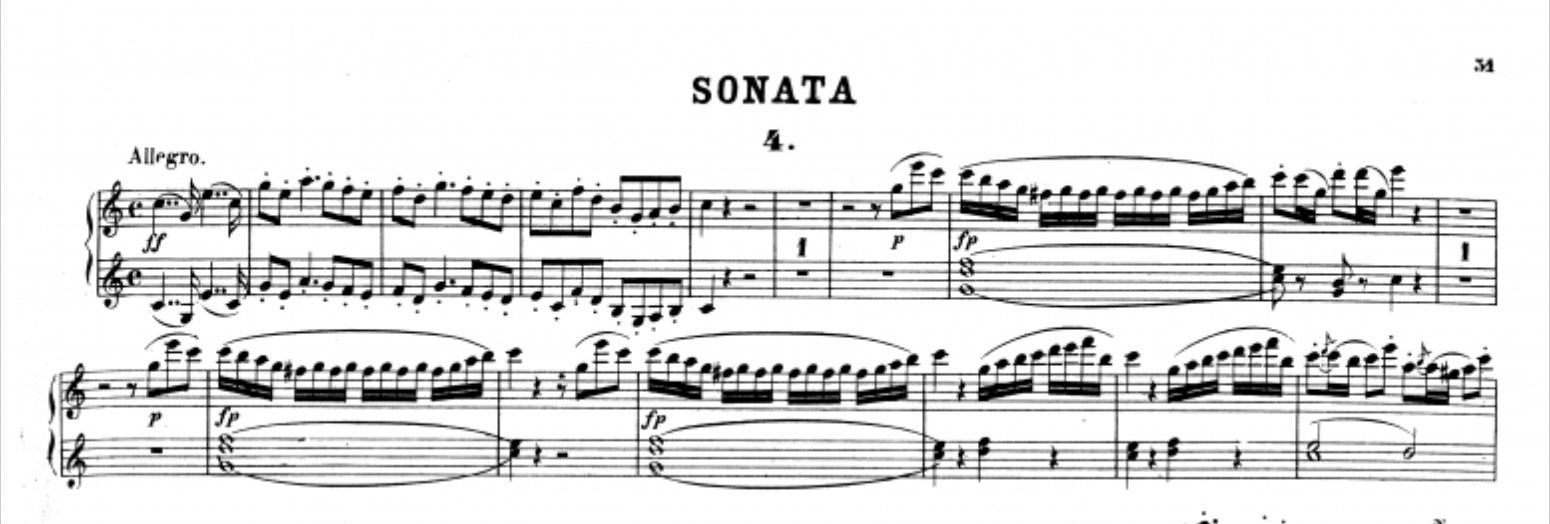
2. Mozart Wrote a Piece Meant to Be Played by Four Hands
Wikimedia Commons
Mozart composed music for piano four hands, meaning two musicians sit at the same piano and play together. While that might look chaotic to someone unfamiliar with classical music, it became an established form of composition. Mozart wrote several works, including sonatas designed specifically for two performers sharing one keyboard.
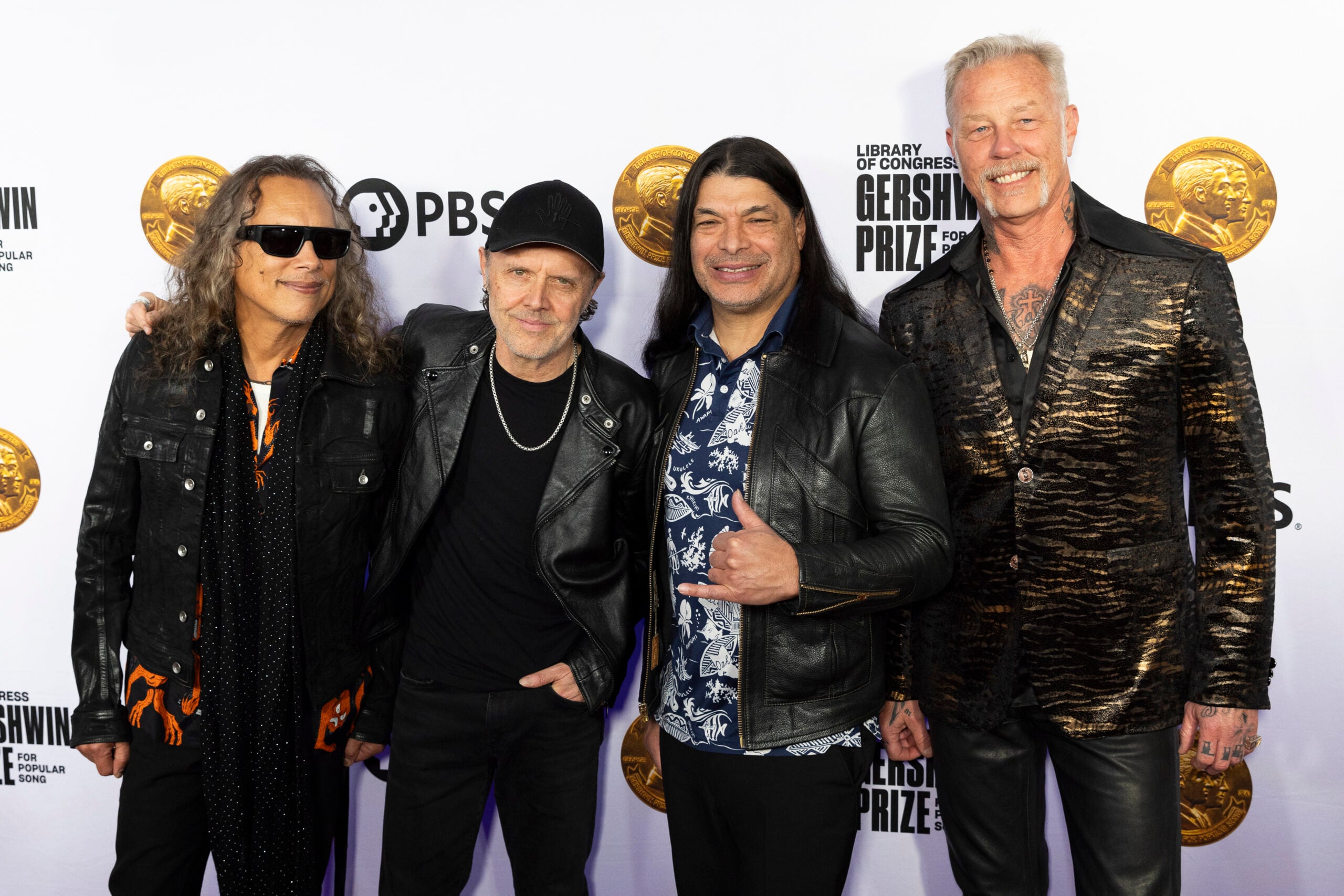
3. Metallica Played on Every Continent
Wikimedia Commons
In 2013, Metallica performed a concert in Antarctica for a small audience near Argentina’s Carlini Station. Because of environmental restrictions, the band played without traditional loud amplifiers, with the audience hearing the performance through headphones. The concert helped Metallica achieve the remarkable feat of performing on all seven continents.
4. The World’s Longest Concert Is Designed to Last 639 Years

Wikimedia Commons
A performance of John Cage’s Organ²/ASLSP began in Halberstadt, Germany, in 2001 and is scheduled to continue until 2640. Instead of songs changing every few minutes, individual notes and chords can last for months or even years. People actually gather at the church to witness scheduled chord changes.
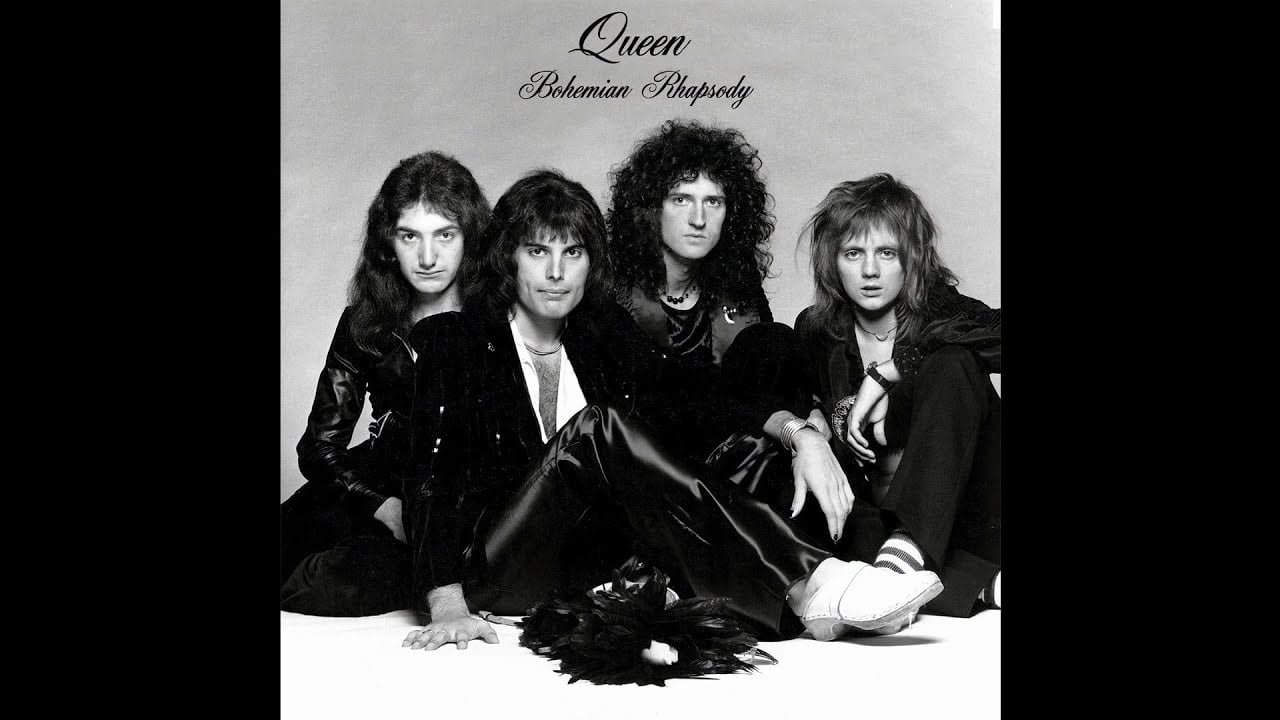
5. Queen’s “Bohemian Rhapsody” Used Many Vocal Overdubs
Stereo Classics/via youtube.com
The operatic section of Bohemian Rhapsody sounds like a massive choir, but Queen created much of that effect using the voices of Freddie Mercury, Brian May, and Roger Taylor. They repeatedly recorded themselves singing different parts and layered the tracks together.
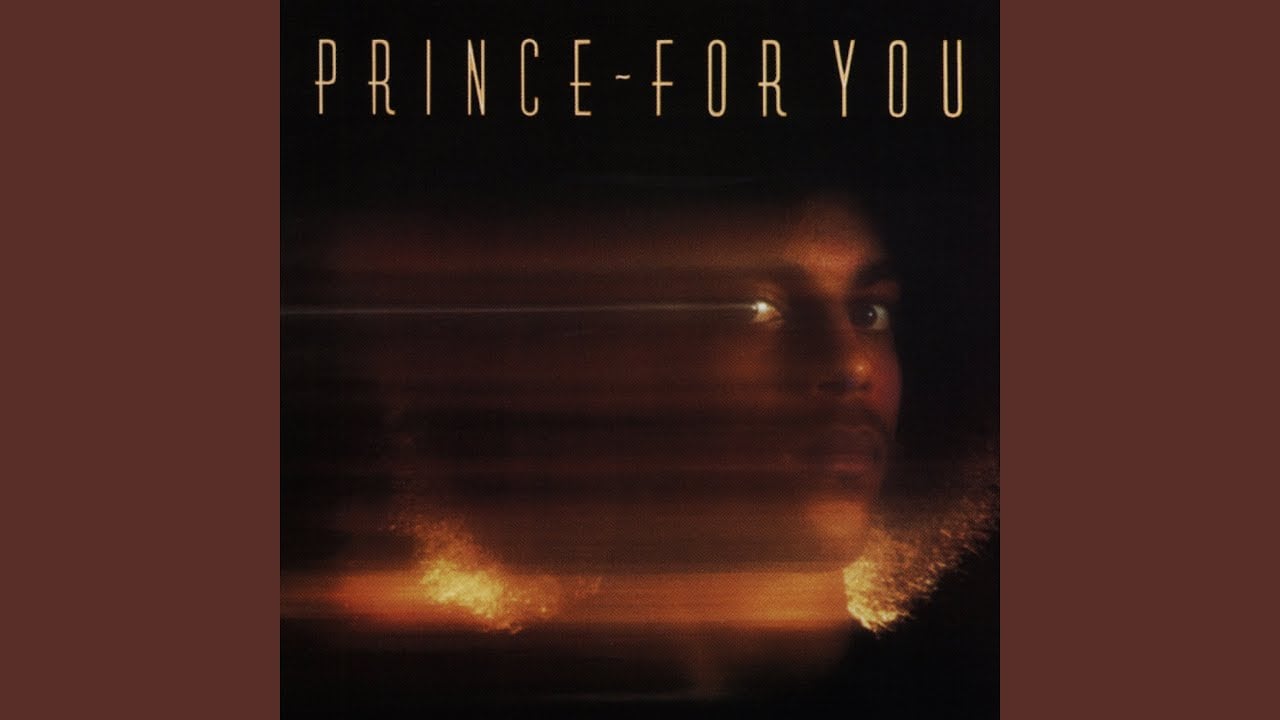
6. Prince Played Most of the Instruments on His Debut Album
Prince/via youtube.com
Prince wasn’t simply a singer and guitarist; he was an exceptionally versatile multi-instrumentalist. On his 1978 debut album, For You, he performed the majority of the instrumental parts himself. The album helped establish the level of creative control that would become one of the defining features of his career.
7. “Happy Birthday” Was Once the Subject of Major Copyright Claims

Wikimedia Commons
For decades, filmmakers and television producers often treated “Happy Birthday to You” as copyrighted music and paid licensing fees to use it. That situation eventually became the subject of a major legal dispute.
Advertisement
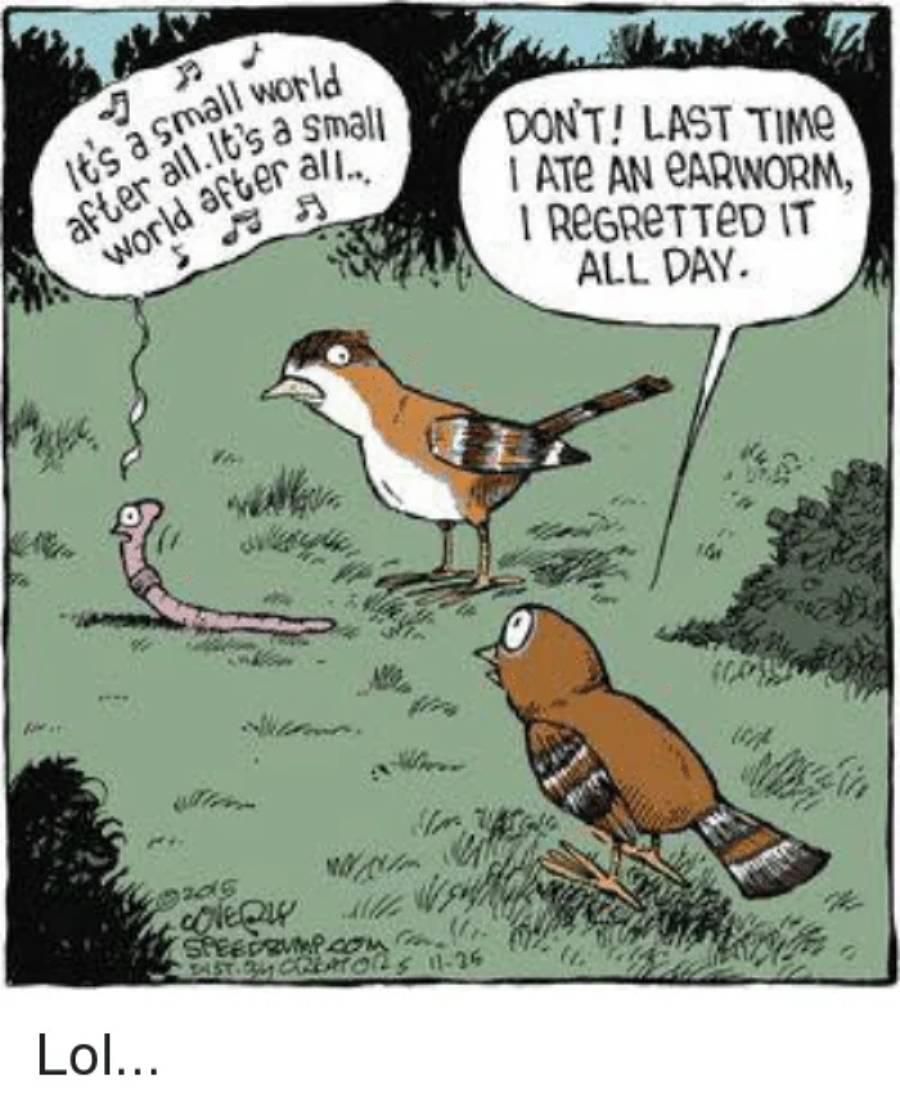
8. A Song Can Get Stuck in Your Head Because of an “Earworm”
izzelbeh/via reddit.com
Scientists actually study the phenomenon of songs repeatedly playing in your mind. Researchers often call them “involuntary musical imagery,” while the more familiar term is “earworm.” Catchy melodies and recently hearing a song can all contribute to a tune looping in your head even when you’d rather think about something else.
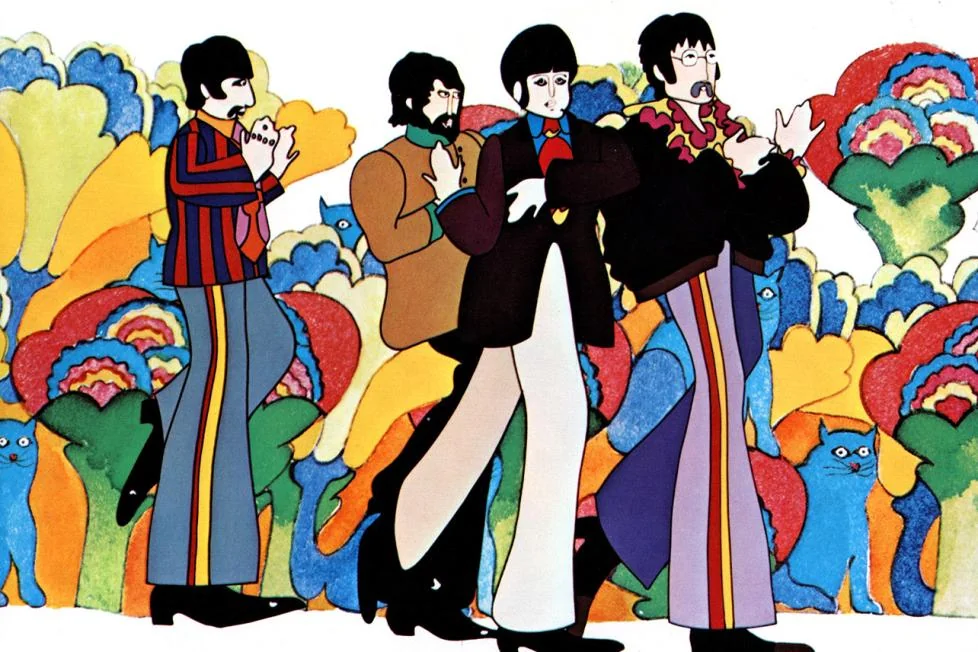
9. The Beatles Recorded Part of “Yellow Submarine” Like a Sound-Effects Party
WalkRightNow/via reddit.com
The Beatles wanted “Yellow Submarine” to sound like listeners were actually aboard a strange underwater vessel. The recording incorporated unusual sound effects and studio experimentation, with chains, bells, whistles, and other noises contributing to the atmosphere.
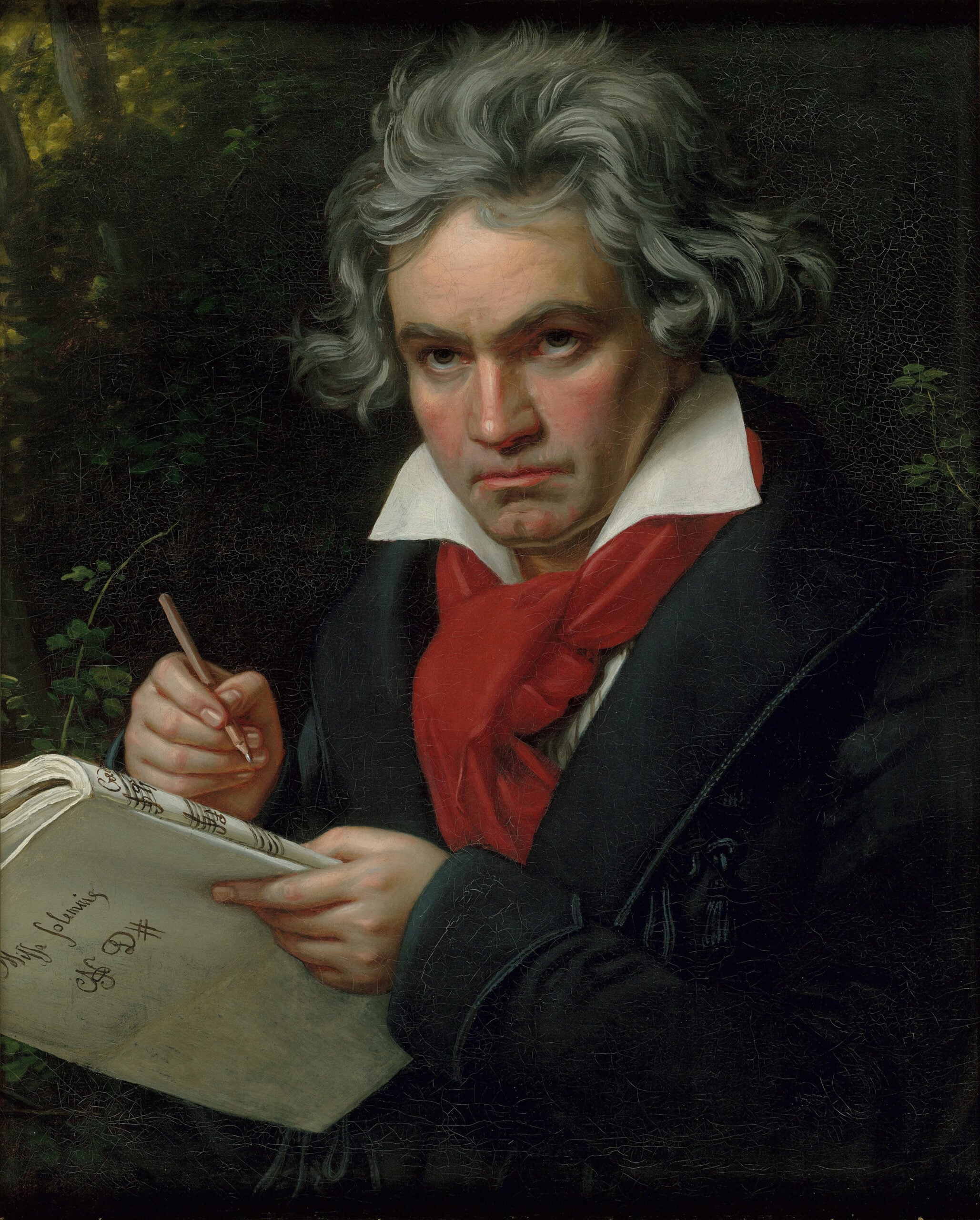
10. Beethoven Continued Composing After Hearing Loss
Wikimedia Commons
One of history’s most celebrated composers created major works while dealing with profound hearing loss. Beethoven’s hearing deteriorated over many years, yet he continued writing increasingly ambitious music. His famous Ninth Symphony premiered in 1824, when his deafness was advanced.
11. The First Music Video Played on MTV Basically Predicted the Channel
Wikimedia Commons
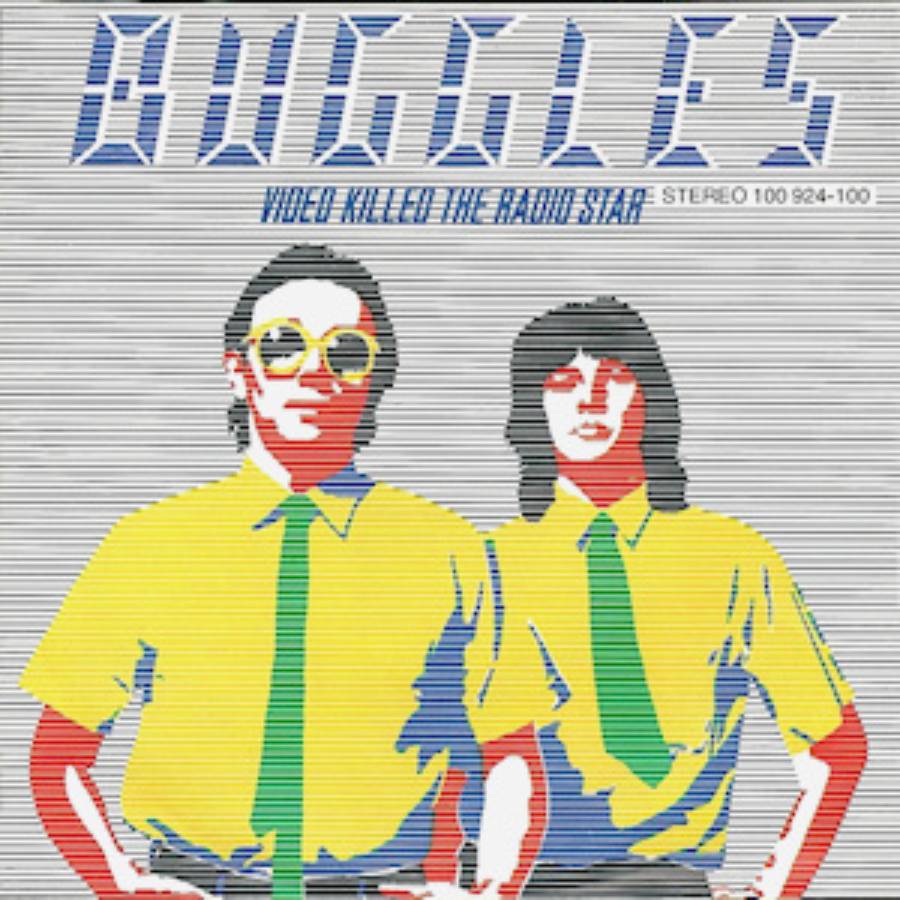
When MTV launched in the United States on August 1, 1981, its first music video was the Buggles’ “Video Killed the Radio Star.” The choice was appropriate for a television network built around music videos. The song had been released before MTV existed, but its title perfectly captured the technological change the channel came to represent.
12. Elvis Presley Never Gave a Concert Outside North America
Wikimedia Commons
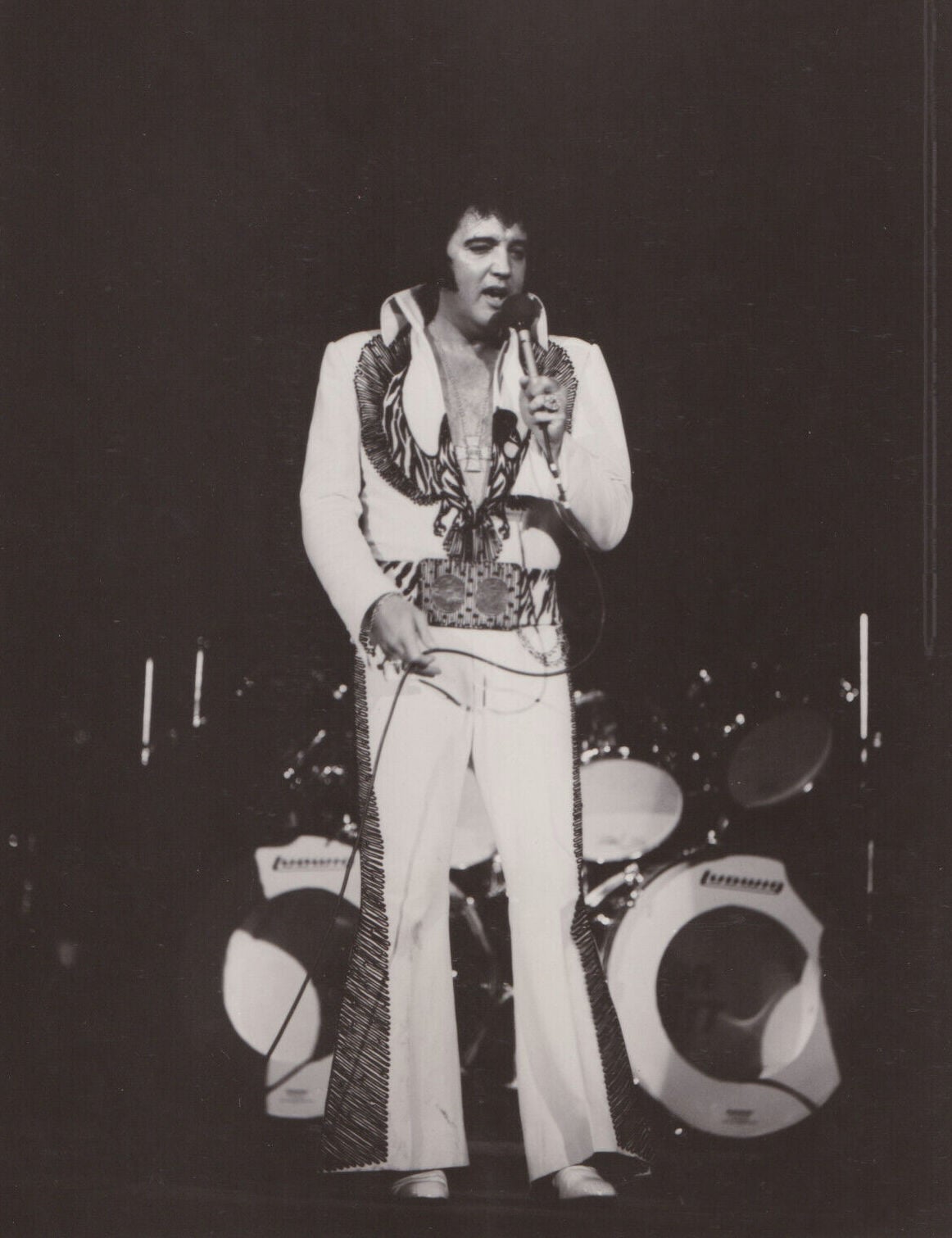
Despite becoming one of the most famous musicians of the 20th century, Elvis Presley never toured Europe, Asia, Australia, or other distant parts of the world. His live performances remained in the United States and Canada.
13. NASA Sent Music Into Interstellar Space
Wikimedia Commons
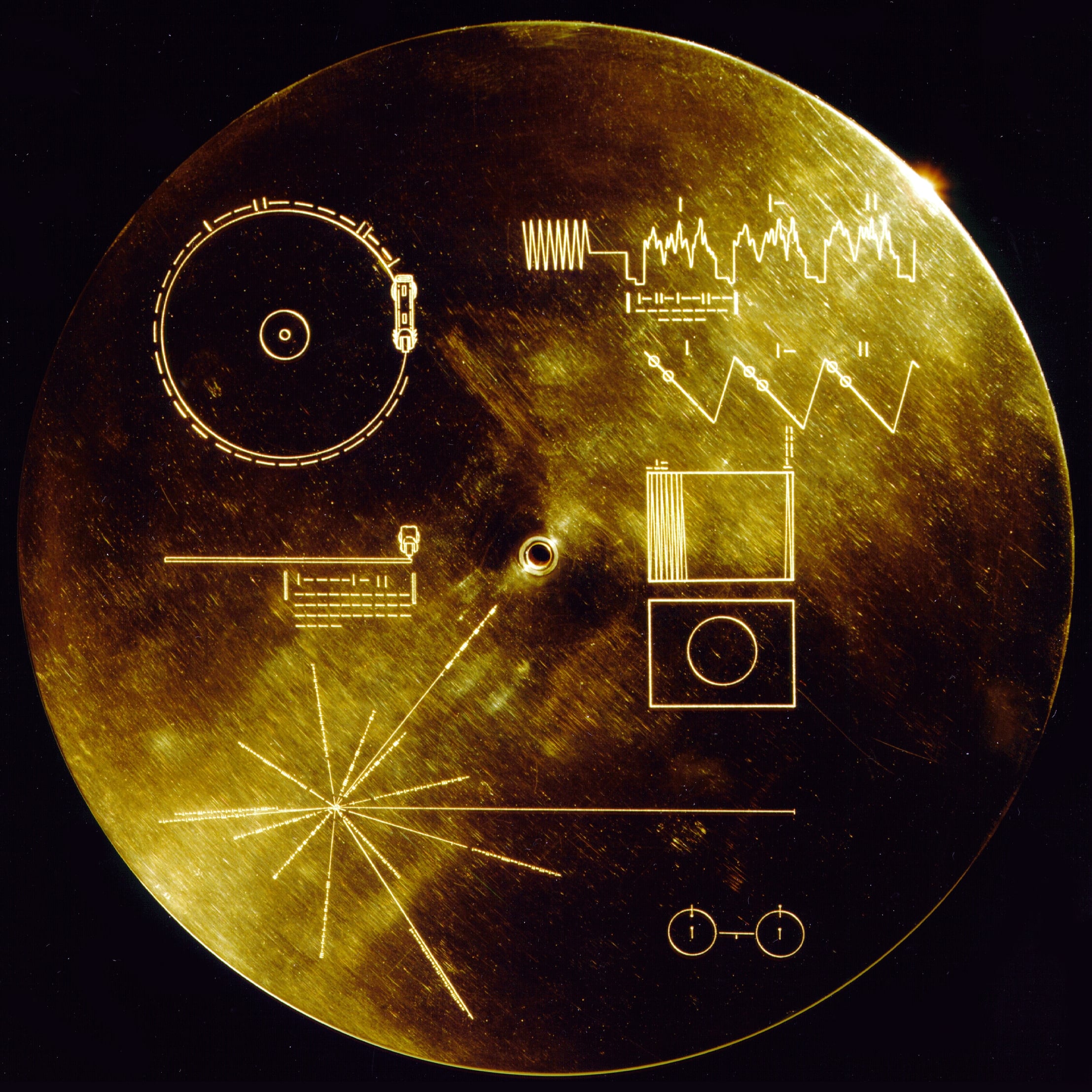
The Voyager spacecraft launched in 1977 carrying the famous Golden Records, which contain sounds and music intended to represent life and culture on Earth. The selections include works by Bach and Beethoven alongside musical traditions from different parts of the world.
14. The Famous THX Sound Is a Carefully Designed Musical Effect
Moonofmylife1/via reddit.com
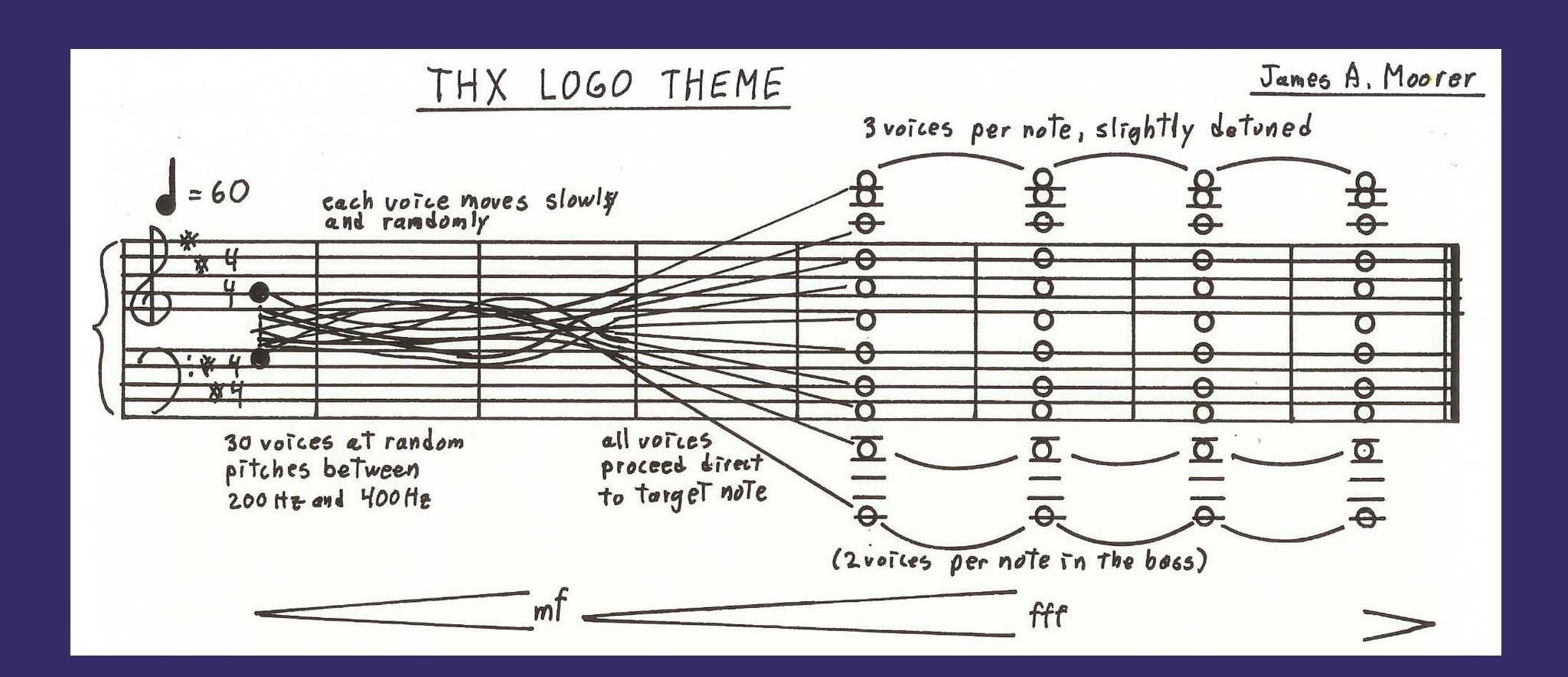
That sound heard before certain movies isn’t random electronic noise. Known as the “Deep Note,” it was created by composer and sound designer James A. Moorer for THX. It uses many synthesized voices that begin at different pitches before gradually converging, producing the massive audio effect associated with movie theaters.
15. A Silent Composition Became One of the Most Famous Pieces of Experimental Music
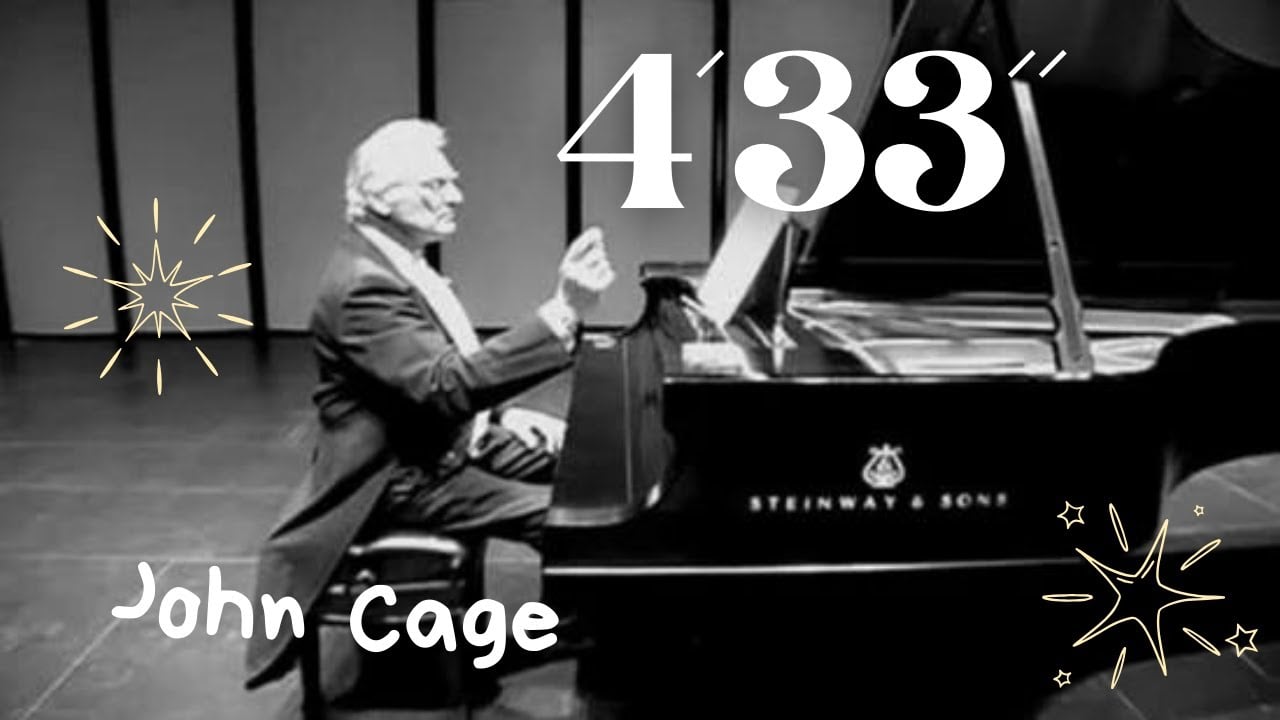
Rafael López Borrego/via youtube.com
John Cage’s 4′33″ instructs performers not to intentionally play their instruments for four minutes and 33 seconds. Cage wanted audiences to notice coughing, movement, wind, breathing, and other environmental sounds occurring during the performance, challenging the traditional idea of what counts as music.
Excited for more music content?
Explore 15 Best U.S. Cities for Music Lovers, featuring destinations shaped by jazz, blues, rock, hip-hop, country, and more. Then discover how famous performers turned success onstage into success offstage in 14 Musicians From the ’70s Who Made Smarter Investments Than Anyone Expected, from publishing rights and real estate to restaurants and other business ventures. Finally, check out15 of the Wealthiest Rock Musicians and How They Rose to Famefor a closer look at the careers and fortunes of some of rock’s biggest names.
The post 15 Music Facts That Sound Fake But Aren’t appeared first on Wealth Gang.
Source: “AOL Entertainment”
